EN
EN AR
AR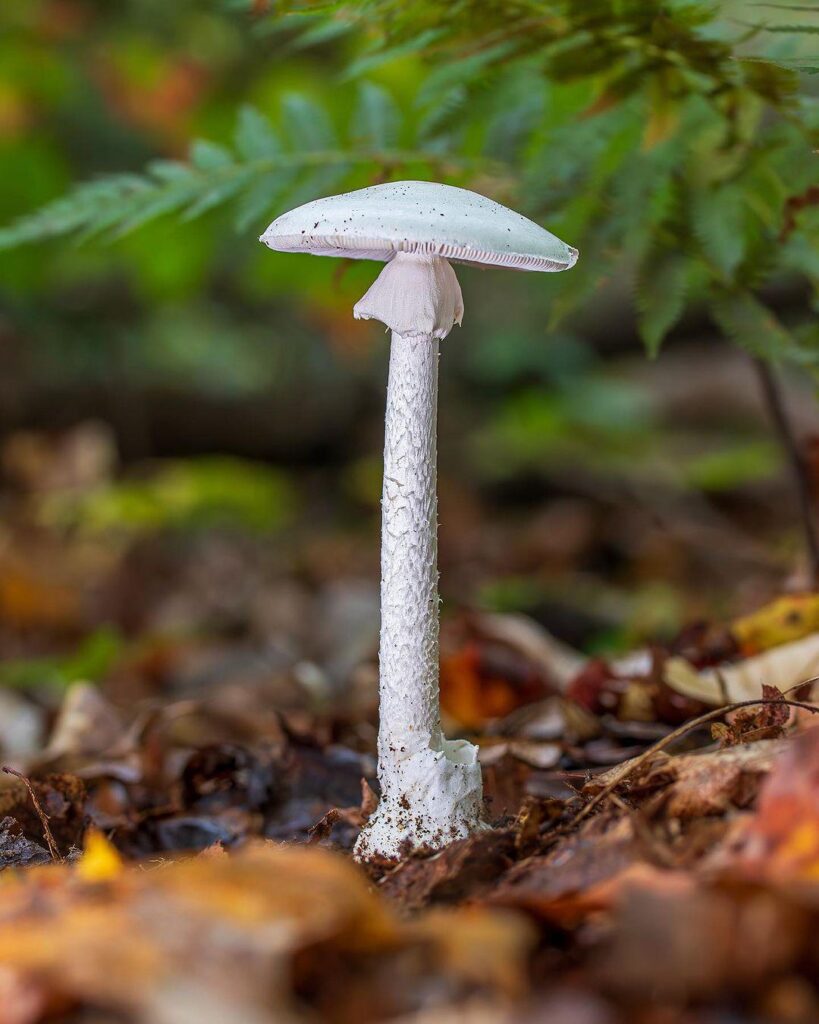
Identifying poisonous mushrooms: A guide
Warning: Mushroom identification requires expertise. Never rely solely on online resources or unverified information. Consult multiple field guides, experts, and exercise extreme caution.
Poisonous Mushroom Families:
- Amanitaceae (Amanita)
- Cortinariaceae (Cortinarius)
- Inocybaceae (Inocybe)
- Lepiota (Lepiota)
Common Poisonous Mushrooms:
- Death Cap (Amanita phalloides)
- Greenish-gray cap, white gills, and volva
- Deadly toxic
- Destroying Angel (Amanita virosa)
- White cap, gills, and volva
- Highly toxic
- False Morel (Gyromitra esculenta)
- Brain-shaped cap, dark brown to black
- Contains vitamin D-like toxin
- Deadly Webcap (Cortinarius rubellus)
- Orange-red cap, web-like veil
- Highly toxic
- Poisonous Panther Cap (Amanita pantherina)
- Brown cap, white gills, and volva
- Highly toxic
Identification Features:
- Cap shape, size, and color
- Gills or pores
- Stem shape, size, and color
- Veil or annulus (ring)
- Volva (base of stem)
- Spore print
- Habitat and growth patterns
Safety Precautions:
- Research and familiarize yourself with local mushroom species.
- Join a mushroom foraging group or consult experts.
- Be cautious of lookalike species.
- Never eat unknown or unverified mushrooms.
- Wear gloves and protective clothing.
Mushroom Identification Resources:
- Field guides (e.g., Audubon, Peterson)
- Online databases (e.g., MycoBank, Mushroom Observer)
- Expert forums and communities
- Local mycological societies
Emergency Procedures:
- If ingested, seek medical attention immediately.
- Contact poison control centers.
- Provide identification information and medical history.
Remember, mushroom identification requires expertise and caution. Never risk your health or life.
Additional resources:
- USDA Mushroom Identification Guide
- American Mushroom Society
- The Mycological Society of America